
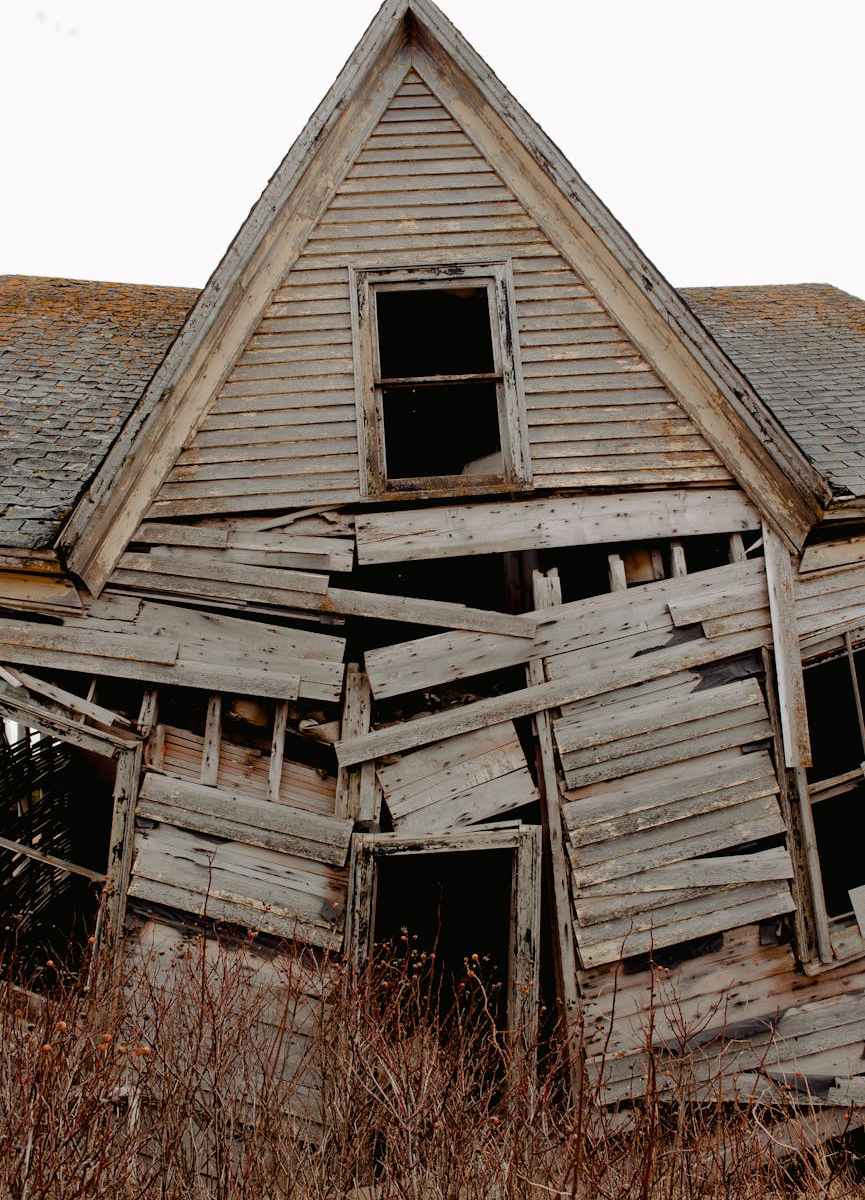
I have posted about loss before, as it concerns family and caregiving. Loss of personhood of a loved one due to the ravages of dementia. Loss of who we, the caregivers, were before the demands of the job changed us.
There is also the ultimate loss to death that we know approaches but work so hard to deny.
If I chose to, there is plenty to be depressed about, yet as such events progress, I find a developing satisfaction with loss.
I did not see that one coming.
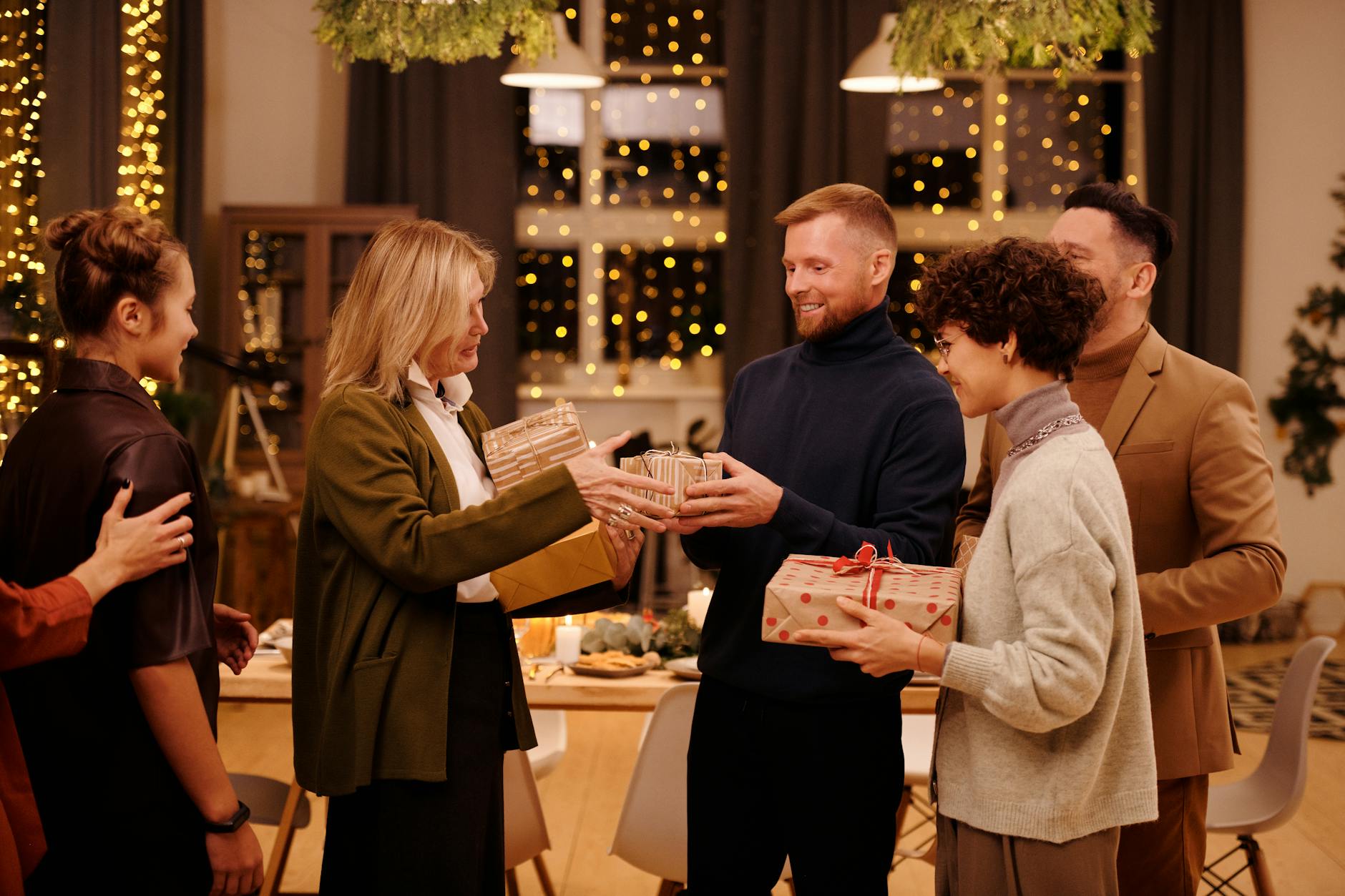
Holiday Times
Perhaps it is the dawn of a new year, or just the nostalgia surrounding winter holidays that put me in a reflective mindset. Maybe it is an age thing but I find my perceptions shifting. What once was threatening is now accepted as part of the plan.
Though I still love to engage with new ideas, older concepts studied in my youth now take on a new appreciation.
Eastern philosophies embrace holistic appreciations of Nature and Life. Yin and Yang are both essential to making up a functioning whole.
So also the presence of fond memories are often complemented by absence. The memories are there but the knowledge that they will remain distant (we cannot relive, no matter how hard we try) is also a part of that now.
Faces, sounds, flavors, all the sensations appreciated by our bodies at the time, remain contained in those thoughts. Not to be melancholy about the situation, but understanding that those holiday gatherings that remember so fondly, will never return.

Feeling Whole
While not exclusive to the caregiver’s experience, discovering events lost to time help to make living a working whole, is pretty deep. Nostalgia is not just something for conversations and greeting cards, but what gives our past flavor. If some people and events were not so tantalizingly just out of our grasp, the value that they possess for us would not be here for us.
There is not a big ledger of our lives with a gain column and a loss column. It is all one column with all the parts scattered over time and space, and is appreciated only after the fact.
Loss is not a bad thing, in the same way that gain is not a good one. They are sides of the same coin. The fact that we and those around us build those experiences to arrive at this point in time, is what provides us with the appreciation of what is important to us.
Sensing this wholeness makes the tentative (impermanent) nature of living much less frightening.
Such reassurance is important.
“I began to understand that suffering and disappointments and melancholy are there not to vex us or cheapen us or deprive us of our dignity but to mature and transfigure us.”
― Hermann Hesse
 Dad's Back