
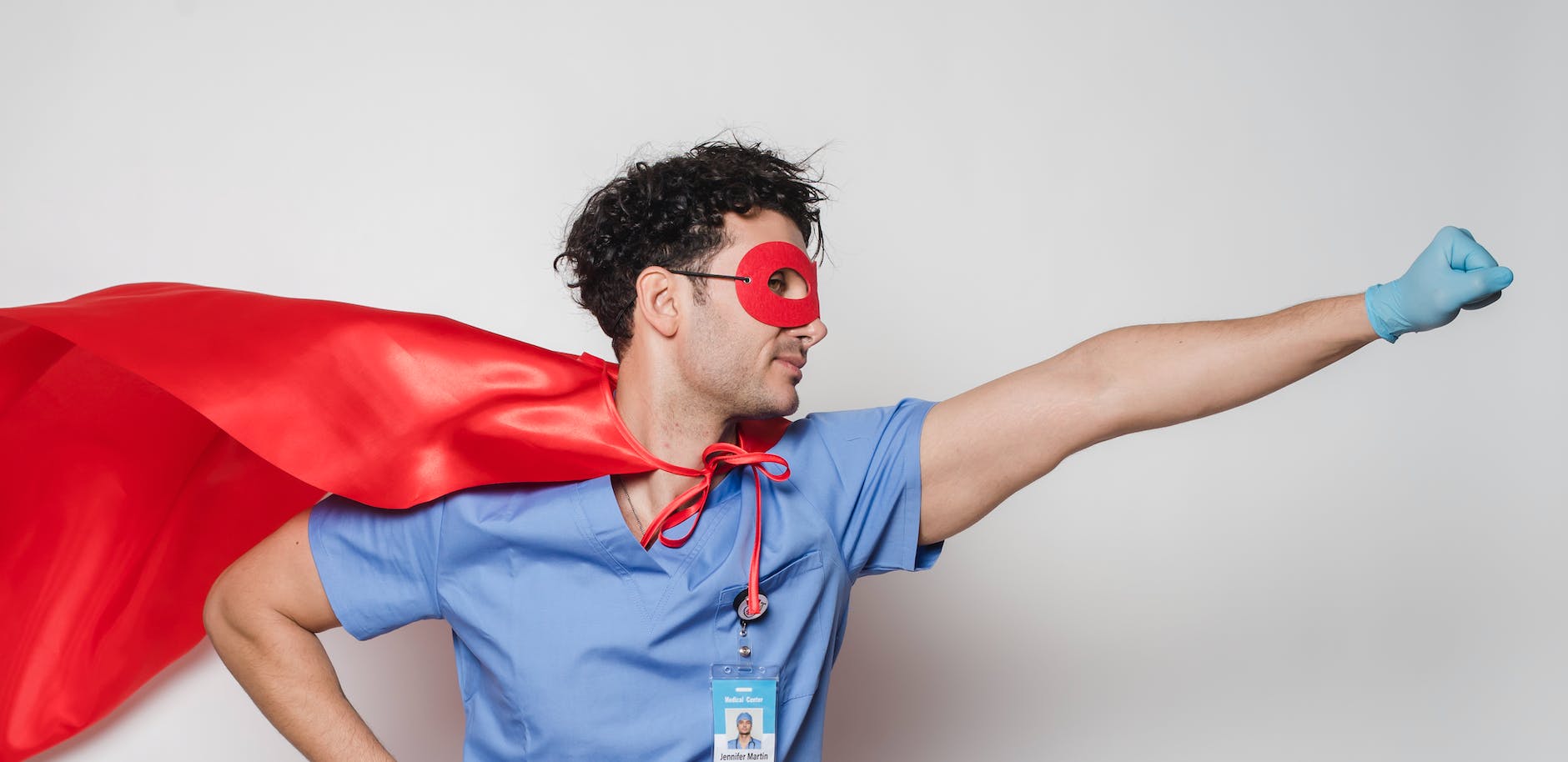
One of the things that I have found most attractive about caregiving is how I perceive caregivers. When I was first joining the ranks, I discovered that caregivers were of all ages, came from all walks of life, and arose from any cultural background imaginable. They were distinctive in the air of confidence they demonstrated. Not the cockiness or outright arrogance that is so popular these days, but a calm assurance that made me feel comfortable in their presence.
They were quiet. A particularly kind of dark quiet. The kind you value in a friend and dread in an opponent.
They welcomed me to their ranks without having to demonstrate any worthiness. To an observer outside, we were just different folks chatting in waiting rooms of hospitals and doctor’s offices, but a torch was being passed to the next generation. They knew I was wholly unprepared for what was coming and did what they could do to soften the shock. The reality is that the genesis of a caregiver is a highly personal series of events. There is no preparation. All we can do is to be there for one another.
Sometimes just being with one another is the best training one can receive.
My Heroes
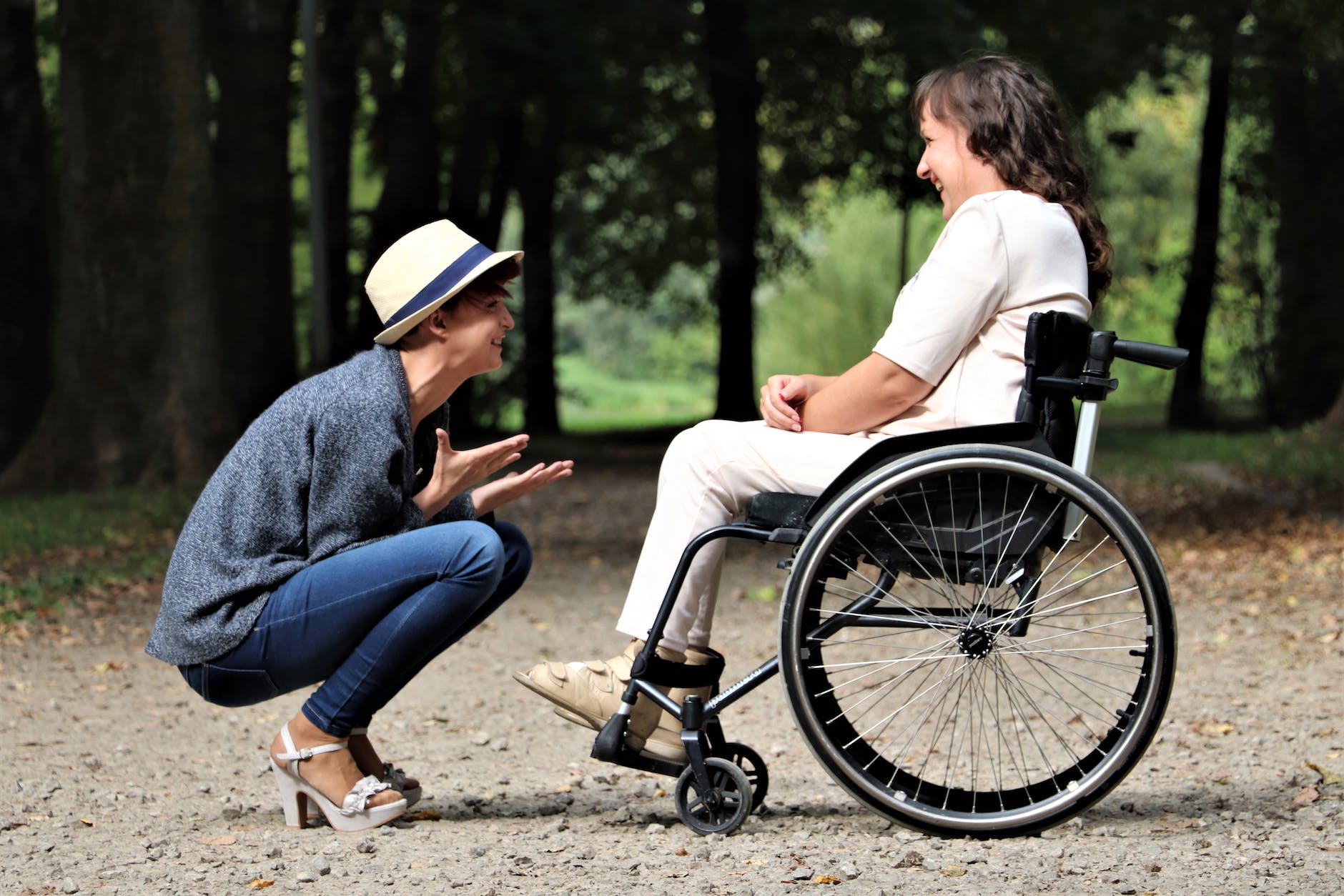
I must confess, as if the preceding did not already demonstrate, I am enamored of caregivers. It is not entirely hero worship. We are first and foremost human beings (foibles and all). Nor are we superheroes come to save the day.
Caregivers were and are just awesome people. Like a good friend about whom you know all their weaknesses and mistakes, yet you will want them at your back in a dark alley any day.
I find caregivers to be role models in a world where we badly need positive role models.
(Where did all the good role models go?)
Remember? Those individuals who struggled to do their best with what they had at hand. The people who possessed the strength of character to admit when they make a mistake. To not make up juvenile excuses for failure.
To persevere.
To lead.
Authenticity
In many respects, I think caregivers’ model some of our finest nature as human beings. No pretense or political camouflage. Just honest.
Caregiving (substitute “being an adult”, if you like) constantly teaches. We never arrive at some expert level where there is nothing new to discover. We are forever a humble student.
Errors along the way produce beautifully teachable moments – especially when we allow our arrogance to guide us and we do something so soundly stupid that we are reminded of who and what we really are. Human.
It is this authenticity that grounds me.
Caregivers are courageous enough to blaze personal examples without concerns for conformity or embarrassment. We are the first to step towards the problem.
We could likely be good targets for today’s cancel culture, though very few want to do what we do. We likely would not care anyway.
Indifference to hurt feelings is part and parcel to caregiving.
Score-keeping

Authenticity of character references the audacious nature of human beings in difficult circumstances. Personal losses and triumphs are just points along a spectrum for the caregiver.
We have a job to do (caring for others) and we will have to get back to you on your narrow concerns. Later.
Ultimately, it is actions that matter. Words, whether shouted, recited, or spoken, do not carry the same weight as doing. Caregivers give to the world in what we do. We may lose on the total score of things to ingratiate oneself to a group, but that is okay. We were not really concerned with keeping score anyway.
“Real isn’t how you are made,’ said the Skin Horse. ‘It’s a thing that happens to you. When a child loves you for a long, long time, not just to play with, but REALLY loves you, then you become Real.’
‘Does it hurt?’ asked the Rabbit.
‘Sometimes,’ said the Skin Horse, for he was always truthful. ‘When you are Real you don’t mind being hurt.’
‘Does it happen all at once, like being wound up,’ he asked, ‘or bit by bit?’
‘It doesn’t happen all at once,’ said the Skin Horse. ‘You become. It takes a long time. That’s why it doesn’t happen often to people who break easily, or have sharp edges, or who have to be carefully kept. Generally, by the time you are Real, most of your hair has been loved off, and your eyes drop out and you get loose in the joints and very shabby. But these things don’t matter at all, because once you are Real you can’t be ugly, except to people who don’t understand.”
― Margery Williams Bianco, The Velveteen Rabbit
 Dad's Back