
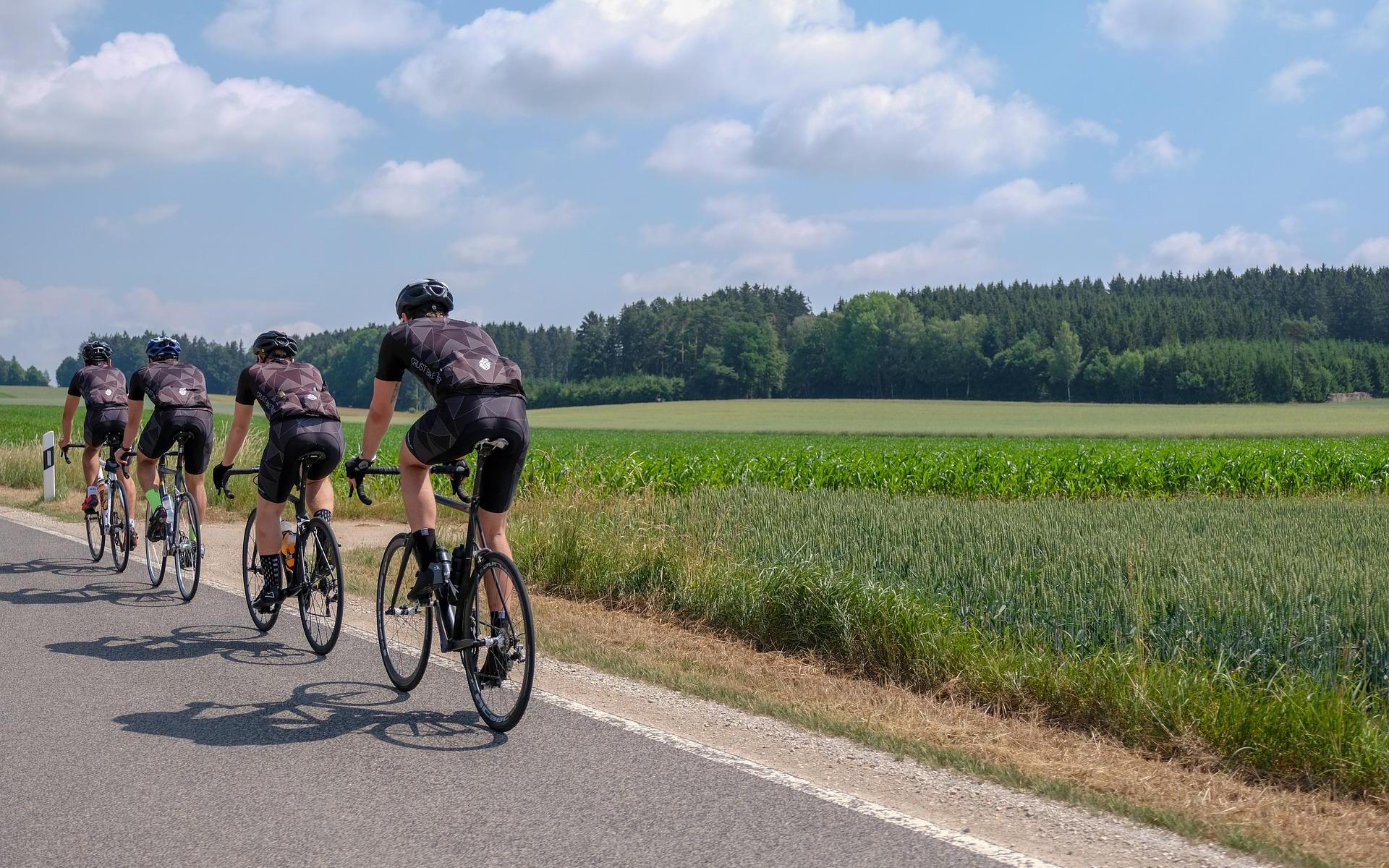
In my younger days of competitive bicycling, keeping up with the group was an important part of your survival on two wheels. Lose contact with fellow riders and you lose your support. If I was having a bad day, I remember slowly drifting off the back of the group, lacking the necessary energy to pedal hard enough to keep up. The group would be moving ahead, and I was… not… quite… able… to keep up.
Long-distance caregiving turns out to feel something like that. You see and know what you want to do but the pedal is to the floor and still your objectives are tantalizingly just off in the distance.
As with every caregiving experience, there is much to be learned.

Keeping it Simple
Caregiving provides us any number of lessons in the practicalities of taking care of a loved one but a fair amount of the skills we bring come from being in a family. At some point we learned to help one another and that is what caregiving is all about. If you are new to this life activity, know that you are already prepared with the essentials. The rest is just advanced training.
Long-distance caregiving takes our ideas and concerns and sets them just out of reach. For us control freaks, we learn to temper our desires to direct traffic and be willing to assume the role of coordinator. Not an easy task but one we can learn.
Some ideas/suggestions that may help:
- Get used to contracting and delegating work. I know I posted last month about hiring others as a replacement for hands-on care. When the loved one is miles away, this may be the best alternative to spending your life commuting.
- Collect as much intelligence as possible. As we do when caregiving in person, information is king. Lacking your own observations, we are now reliant on businesses, doctors, and the reporting of others for data.
- Don’t believe every bit of information and don’t expect the full picture. Expect to receive a fair amount of erroneous information. Resist the urge to rush to action over a bit of info that pushes your concern button. Get confirmation when in doubt but don’t panic. From a distance, the best we can hope for is a collection of snippets of information. The full picture only gets built when we are in person.
- Talk to people (anybody & everybody) on the ground. If engaging strangers in conversation makes you uneasy, time to get over that luxury. Property managers, gardeners, next door neighbors all have information you need. Move out of your comfort zone and talk with them.
- Misperceptions and lies. Taking everything you learn with that proverbial grain of salt is a sound practice here. People report their perceptions, which do not always coincide with physical realities. (Everyone has an opinion.) People will sometimes lie to suit their own comfort. (Yes, your loved ones can lie to you about their circumstances.) Be skeptical and be courageous in verifying.
- Think outside the box. We don’t always think of ourselves as being especially creative in devising solutions to problems, but caregivers do it all the time. Taking what we know and putting together a reasonable answer to a multitude of questions is an awesome skill. Enjoy the challenges. You are up to this!
- Diplomacy Whether negotiating with a recalcitrant vendor or trying to convince your loved one that driving their car may not be such a great idea right now, we are all diplomats. Knowing when to say something and when to let the other person speak, are vital to getting work done. Leading the loved one to decide to do what you need them to do via telephone takes practice. Don’t expect to get full compliance either. Which leads us to:
- Lower your expectations – Let go of 100% success in managing your situation. Compromise is the name of the game. If you got your loved one to take their medication correctly but they still end up wearing their street shoes to bed, it was a good day.
The End of the Day

When all is said and done, you go to bed exhausted but know that everything you could do, you did, then be kind to yourself. We often lose the care of ourselves in the care of others, but it is important to accept your work.
For us perfectionists, accept that we will never have that 100% day where everything caregiving worked. We are dealing with imperfect people with free wills. The caregiver is not in charge, no matter what your views may be on the matter coming in the door.
Be kind to your loved one. Be kind to businesses whenever appropriate. And be kind to yourself. You are part of this caregiving event, even if individuals are separated by miles. If you don’t have the skills to manage this long-distance situation at the start, you soon will.
Trust yourself.
“Maybe, I thought, it’s not distance that’s the problem, but how you handle it.”
― Rachel Cohn
 Dad's Back